

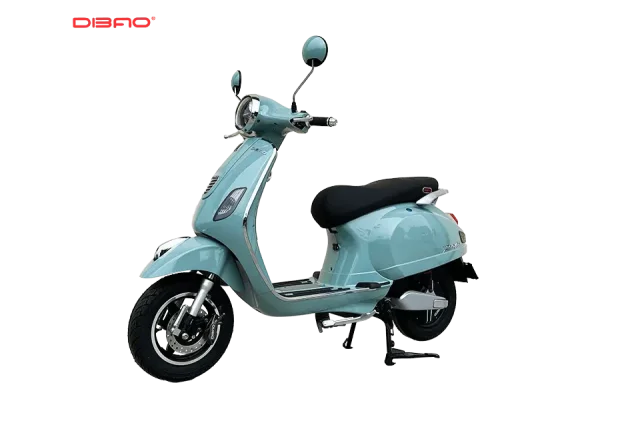
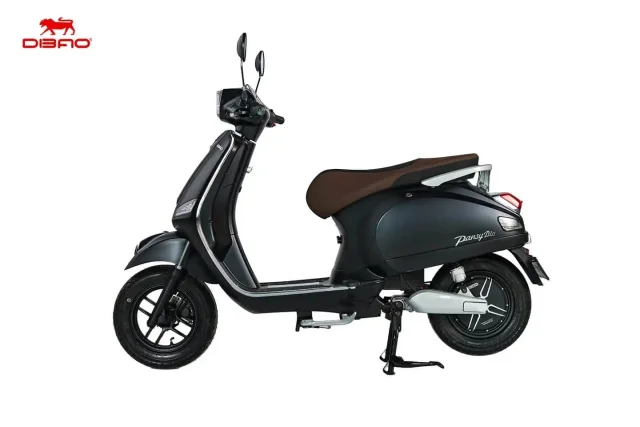
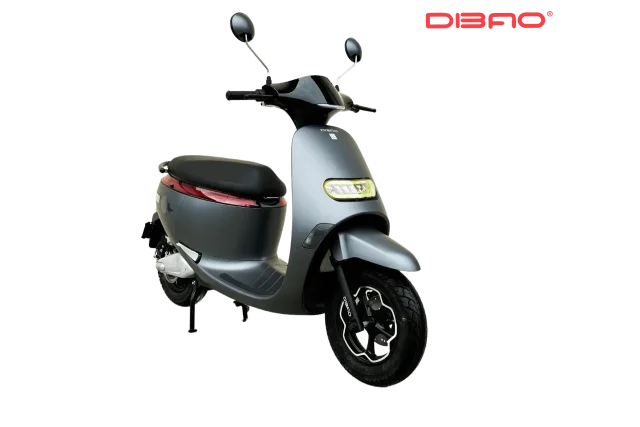
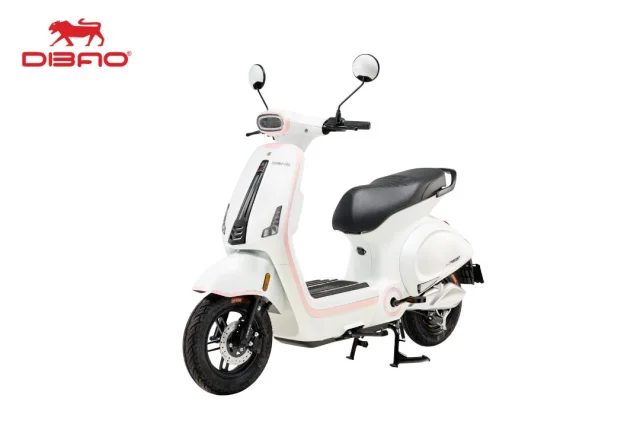
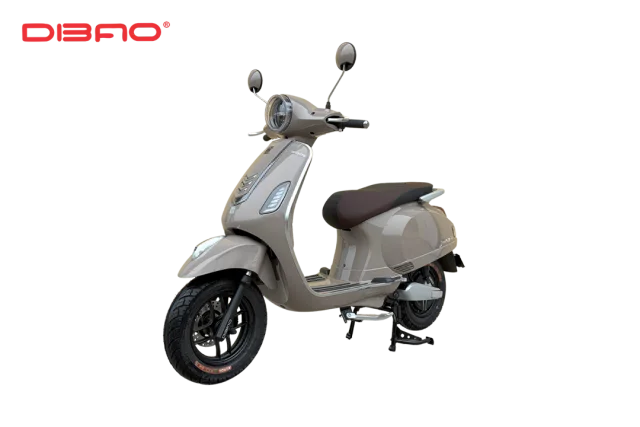
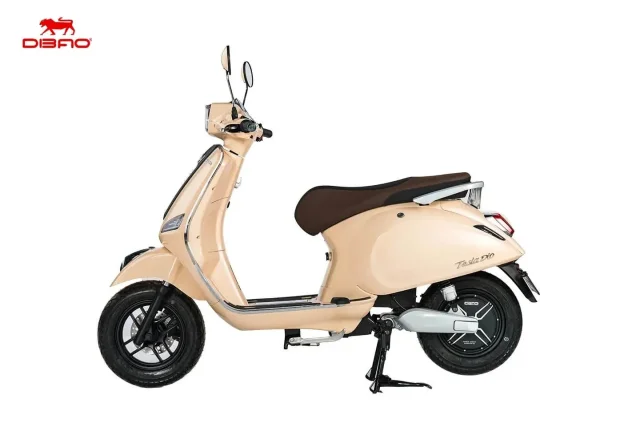
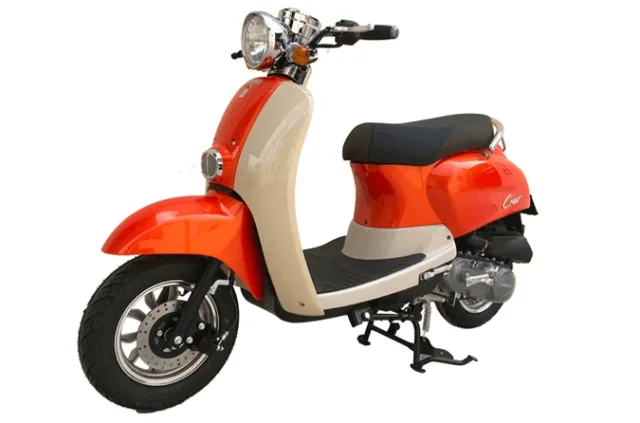
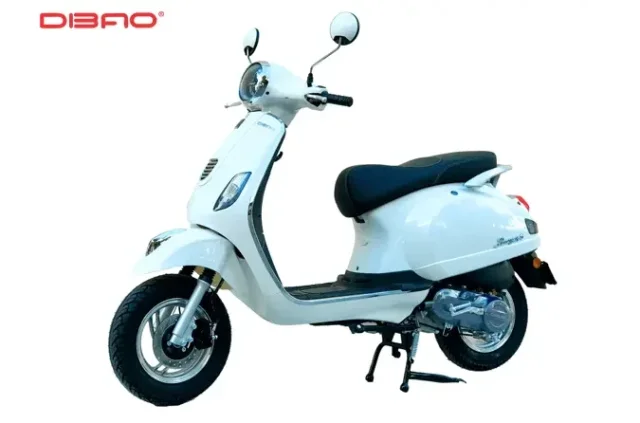
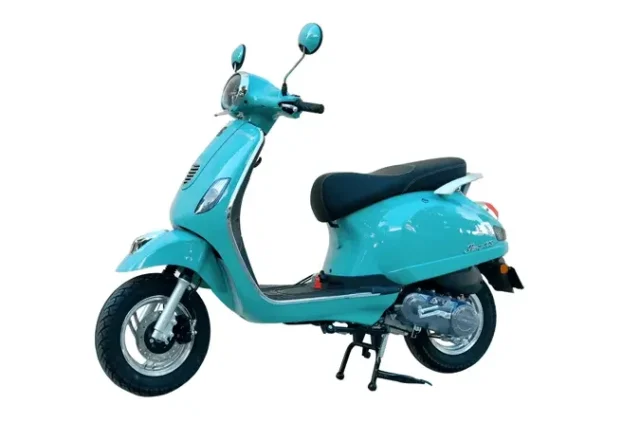
Electric vehicles are the future of the motor vehicle manufacturing industry as well as the development of transportation worldwide due to the outstanding advantages that these so-called green vehicles bring compared to other types of vehicles. Notable benefits include saving fuel and resources, protecting the environment without air or noise pollution, and especially providing high safety for users with very few traffic accidents caused by electric vehicles and no risk of fire or explosion like many current gasoline-powered vehicles.
However, an undeniable reality is that there are currently far too few charging stations for electric vehicles in the world in general, and in Vietnam in particular, such charging stations do not exist at all. Meanwhile, the current infrastructure of the power sector is sufficient, and it would not be difficult to build fast-charging stations for electric vehicles.
Electric vehicle charging station by Tesla
A customer charging a 2013 Nissan Leaf electric car at a fast-charging station in Salt Lake City, Utah, USA.
Since late 2014 in Vietnam, quite a few companies have thought about this issue and set goals to bring 10-minute fast-charging stations to electric vehicle shops or open roadside charging stations. However, all of these remain on paper and have yet to be realized. The reason is likely that those companies are not strong enough to develop this sector, and if they invest capital in the business, the likelihood of recovering capital is very low because there is no simple, easy way to collect payment from customers for each charge. It is also risky for business because the shops hosting the machines are unstable and could close at any time.
Currently in our country, a large number of people use electric vehicles because of the convenience, economy, safety, and environmental friendliness that these models offer. Especially for students, it is much less exhausting than pedaling a bicycle to school 2–3 times a day in the scorching heat of summer or the biting cold of winter. It helps them save physical energy from commuting so they can focus on studying more effectively. Parents also do not have to worry financially because these vehicles are relatively affordable at around 10 million VND per vehicle, with budget models costing just over 6 million VND, saving parents significant time and effort in picking up and dropping off their children at school.
Commuting by electric vehicle is very safe and makes going to school much less tiring for students.
However, one seemingly simple problem that is very difficult to overcome is that whenever an electric bicycle runs out of battery mid-way, the user has no choice but to push the vehicle home on foot. Under harsh rain or shine, it is not uncommon to see people struggling to push their bikes in heavy rain or trudging along scorching midday roads right at school dismissal time, with many students pulling their shirts over their heads for sun protection like street camouflage in peacetime.
The sight of pushing an electric vehicle on foot is no longer rare and is becoming increasingly common on the streets
Global development trends for vehicles of the future
Electric bicycles, electric scooters, and electric cars are gradually asserting their position in the global motor vehicle manufacturing industry. This shift is clearly visible through the steady annual sales growth of electric vehicles as well as changing consumer awareness toward this vehicle line, especially amidst today's escalating fuel prices.
Beyond changes in consumer awareness, governments in countries such as the US, Japan, and across Europe have implemented policies to support the development of electric vehicles, including facilitating research, supporting the development of necessary infrastructure, reducing taxes, and even tightening emission standards for new cars.
To rapidly accelerate technological progress, many industry giants have joined forces to co-develop, helping reduce investment costs and shorten research time. Most recently, Japan's top four automakers—Toyota, Honda, Nissan, and Mitsubishi—entered into a joint partnership to develop flexible charging infrastructure for electric cars in Japan.
The growth of electric vehicles brings along charging stations in several developed countries
Currently, the most difficult issue hindering the development of electric vehicles remains battery technology and charging infrastructure systems. However, with the continuous advancement of science and technology, in the not-too-distant future, electric vehicles may enter their golden age when most vehicles on the road run on electricity, making streets greener and cleaner without dust, exhaust fumes, or noise.
To overcome these limitations, the UK government recently launched a trial program for dedicated electric vehicle lanes capable of charging electric vehicles as they drive along these special lanes.
Electric vehicle charging lanes in the UK, no worries about running out of battery even on long trips
Meanwhile in Vietnam, there are still no supportive policies to develop electric vehicles; instead, there are out-of-touch tightening management policies. For example, in previous years, electric bicycles and electric scooters did not require license plate registration, so all vehicles sold at shops or companies did not need documents like registration inspection certificates or customs papers, nor did buyers need these documents. Registration is a good measure to better manage these vehicles—such as curbing counterfeit and imitation vehicles, better managing the number of vehicles on the road, and preventing state tax revenue loss. However, the big question is where previously purchased vehicles are supposed to get the registration documents—do they just fall from the sky? And there are other baffling practices: bicycles, electric vehicles, and electric scooters categorized as rudimentary vehicles have no provision in the Road Traffic Law requiring riders to wear helmets (According to Chapter 2, Article 30, Clause 2 of the Road Traffic Law: Riders and passengers on two-wheeled motorcycles, three-wheeled motorcycles, and mopeds must wear properly fastened helmets). So when stopping electric vehicle riders for not wearing helmets happens more and more frequently—fining and impounding the vehicles of citizens and especially students—what legal provisions are these actions based on? A series of policies tighten restrictions instead of supporting and developing this mode of transport.
Vietnam needs to step in and properly research this highly advantageous type of vehicle
In our country, small and medium-sized enterprises face considerable difficulties and are unlikely to implement fast-charging stations on their own, making the involvement of state agencies essential to developing a green vehicle ecosystem in the future. It certainly would not be too difficult if the power sector stepped in alongside state support and research efforts from scientists.

A green, environmentally friendly vehicle that saves fuel and is safe for users.
You will surely feel very satisfied going out on the streets when there is no more air pollution, no more gasoline and oil exhaust fumes emitted by vehicles, and no more noise pollution from roaring gasoline engines. In particular, traffic accidents will decrease significantly because electric vehicles have been around for decades with a huge user base, yet no regrettable fatal accidents have occurred. Meanwhile, every day we witness thousands of traffic accidents and hundreds of life-threatening cases caused by gasoline-powered cars and motorcycles. Increasingly polluted air and engine noise are making life in major cities more and more suffocating and unpleasant.
Source: http://xedien.com.vn/viet-nam-can-xay-dung-he-thong-sac-dien-cho-xe-dien-dang-luu-thong-tren-duong-c34n282.html