

As the world moves toward sustainable development and emission reduction, electric vehicles are increasingly becoming an alternative to traditional gasoline vehicles. So which means of transport best suits your needs and preferences? Check out the detailed comparison between electric and gasoline vehicles below to find the best answer.
Comparing electric vehicles and gasoline vehicles
Comparing electric and gasoline vehicles is not just about drivetrain technology, but also involves costs, environmental impact, and user experience. Every factor—such as driving range, fuel/energy source, safety, price, and performance—directly influences your purchasing decision. Join DIBAO in analyzing each criterion to find the optimal choice for your needs.
Driving range and usage needs
One of the most important factors when choosing a means of transport is the distance a vehicle can travel after each full refuel or charge. Specifically:
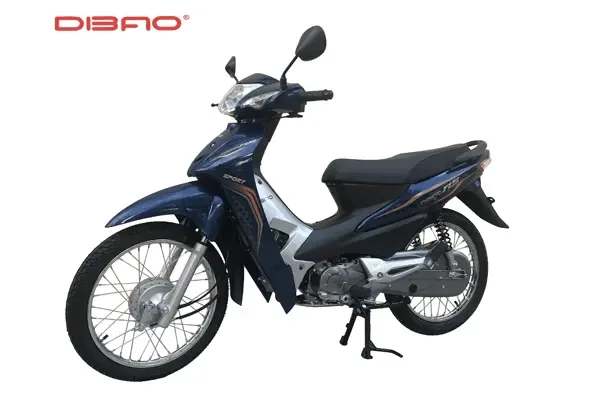
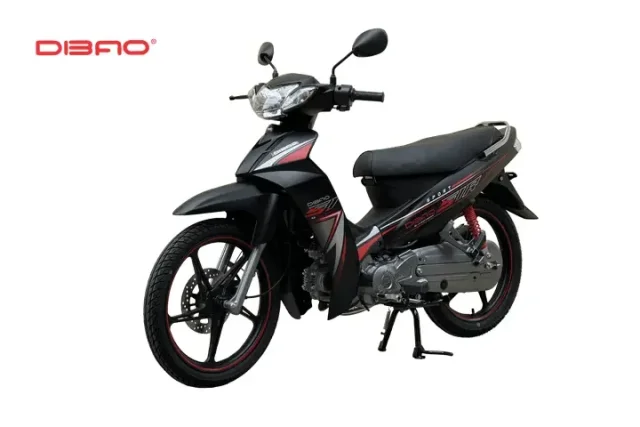
- Gasoline vehicles: With a full fuel tank, gasoline vehicles can travel hundreds or even thousands of kilometers without difficulty. Refueling is also very fast, taking only a few minutes at gas stations widely available everywhere.
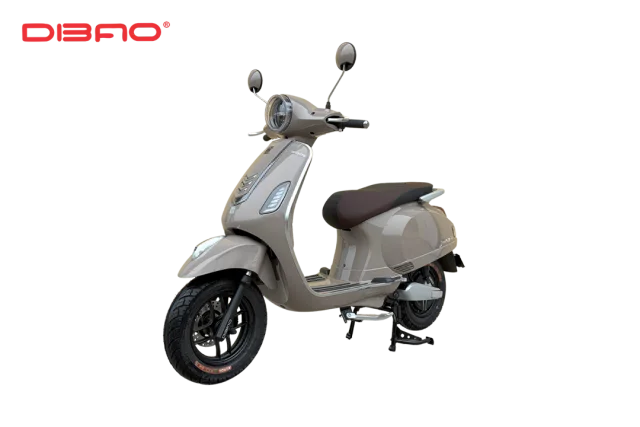
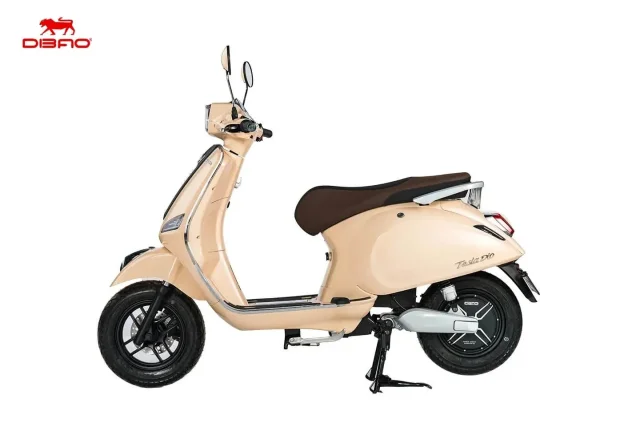
- Electric vehicles: Currently, the operating range of electric scooters remains more limited. After each full charge, an electric scooter can travel between 40 and 100 km depending on the model and riding conditions.
>>> See more: What is green transportation? Current green transportation trends

The driving range of gasoline vehicles is generally longer than that of electric vehicles
Energy consumption and operating costs
The energy source not only affects operating costs but also directly impacts the environment. Comparing electric and gasoline vehicles in this aspect reveals clear differences:
- Gasoline vehicles: Use fossil fuels, which are easy to find and quick to refuel. However, operating costs depend directly on fluctuating fuel prices, and gasoline vehicles emit CO₂ into the environment.
- Electric vehicles: Powered by electricity, charging costs are typically significantly lower and emissions are nearly zero, making them eco-friendly. However, electricity rates and power grid overload in certain areas are still factors to consider.
Safety factors on the road
Both types of vehicles are equipped with advanced safety technologies, but the specific design of each creates distinct differences:
- Gasoline vehicles: An internal combustion engine combined with a fuel tank can pose fire or explosion risks in severe collisions. However, modern safety standards have been applied to minimize this risk.
- Electric vehicles: Batteries placed under the floorboard help lower the center of gravity, increasing stability and reducing the risk of tipping over. Manufacturers also equip thermal management systems and automatic circuit breakers to ensure battery safety.

Both gasoline and electric vehicles are equipped with appropriate safety technologies
Vehicle costs and lifespan
Initial purchase price and maintenance costs throughout the vehicle's lifecycle are two factors that need careful consideration. Specifically:
- Gasoline vehicles: The initial purchase price is often lower than that of electric vehicles in the same segment. However, periodic maintenance costs (oil changes, air filters, etc.) and internal combustion engine repairs can be quite high.
- Electric vehicles: The upfront price of a new electric vehicle is often higher. In return, maintenance costs are significantly lower due to a simpler structure with fewer moving parts. However, replacing the battery after a long period of use can be costly.
Comparison of operating performance
The riding experience is an important factor, and electric and gasoline vehicles deliver completely different sensations:
- Gasoline vehicles: Maintain stable performance over long distances with good load capacity, making them suitable for long trips.
- Electric vehicles: Accelerate quickly and run smoothly and quietly thanks to instant torque. Fewer moving parts reduce the risk of breakdowns and lower maintenance costs.
Thus, choosing between a gasoline or electric vehicle depends on personal needs and preferences. However, following current trends, switching to an electric vehicle brings many practical benefits, especially making a positive contribution to environmental protection.
>>> See more: Details on Hanoi's gasoline vehicle ban roadmap from 2025 to 2050
Where is a reputable place to buy an electric scooter?
After comparing electric and gasoline vehicles across multiple aspects, the next question many people care about is: "Where is a reputable place to buy an electric scooter to ensure good quality and service?" Choosing a trustworthy brand not only helps you own a durable vehicle, but also gives you peace of mind regarding warranty and after-sales support.
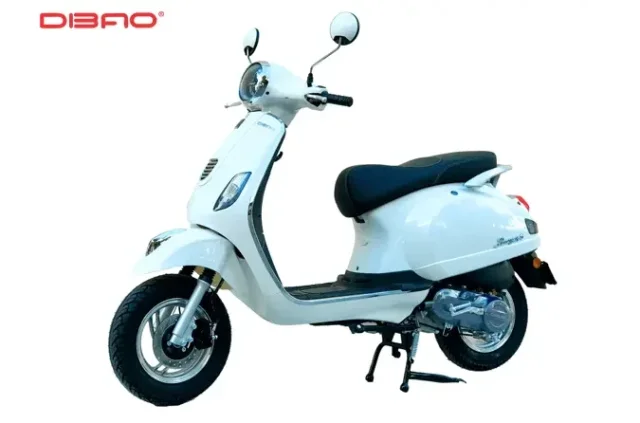
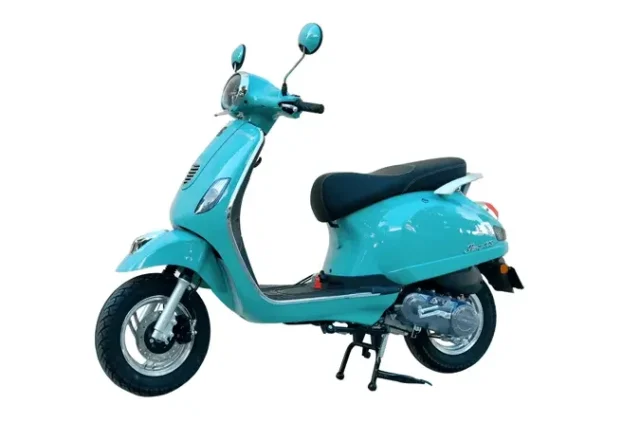
If you are looking for a reputable place to buy electric scooters, 50cc manual motorcycles, or 50cc scooters, DIBAO is one of the top choices you should not miss. With years of industry experience and a commitment to delivering high-quality products, DIBAO has affirmed its position in the market.
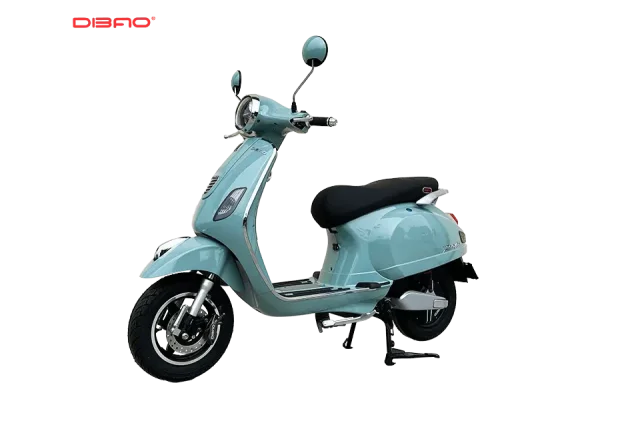
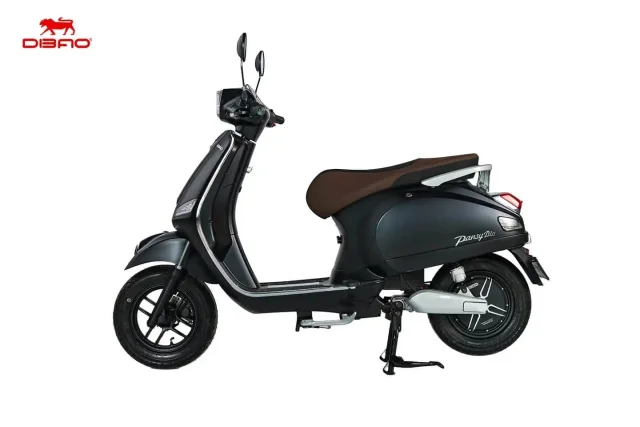
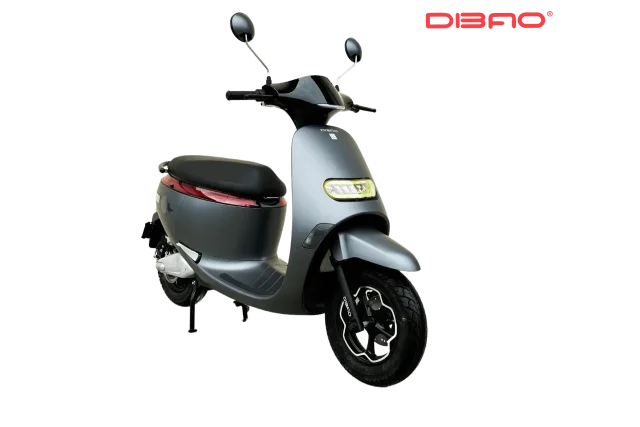
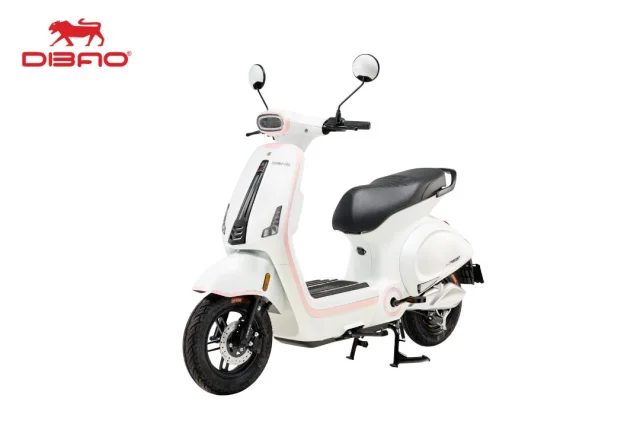
Models such as the DIBAO Gogo SS, DIBAO Tesla Chic, and DIBAO Pansy S are all highly rated thanks to their modern, youthful designs, stable operating performance, long driving range, and fashionable styling. In addition, DIBAO has an extensive distribution network, genuine warranty service, and complete replacement parts, giving users total peace of mind when making their choice.

You can check out and buy electric scooters right at DIBAO dealers
Through the detailed analysis comparing electric and gasoline vehicles above, we hope you now have a comprehensive overview to decide which type of vehicle is best suited for you.
If you want to experience a smooth, cost-effective, and eco-friendly ride, an electric scooter is the ideal choice. Check out DIBAO's electric scooter models with fashionable designs and powerful motors right away to quickly own the most suitable bike for your commuting needs.
>>> See more: Regulations on electric scooters effective from January 1, 2025