

Hanoi's gasoline vehicle ban roadmap is becoming the center of attention as the city sets a green transition goal from 2025 to 2050. This is not only a transportation policy but also a turning point in the strategy for environmental protection and smart city development. In the following article, DIBAO provides an overview, each implementation phase, and key points to note during the process.
Why is Hanoi planning to ban gasoline vehicles?
For many years, Hanoi has continuously ranked among the cities with the poorest air quality in the world. One of the biggest causes stems from personal vehicle emissions, especially gasoline motorcycles that have been in use for many years. Studies show that old motorcycles contribute up to 70% of CO emissions and over 90% of VOCs. These are the main agents forming PM2.5 fine dust—microscopic particles that can penetrate deep into the body, harming the heart and lungs.
Currently, Hanoi has more than 8.5 million vehicles, about 90% of which are motorcycles, and the majority no longer meet current emission standards. According to reports from Greenpeace and IQAir, air pollution in Hanoi causes thousands of premature deaths each year while generating economic losses of 1 to 1.2 billion USD per year due to healthcare costs, reduced labor productivity, and long-term health impacts.
Therefore, Hanoi's gasoline vehicle ban roadmap is not merely an environmental solution, but also a strategic move to protect public health and improve quality of life, aiming toward a sustainable, greener, and more modern city in the future.
>>> See more: What is E10 gasoline? Pros, cons, and adoption roadmap in Vietnam

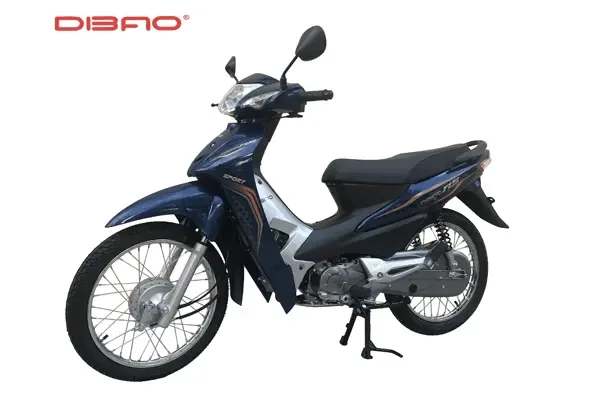
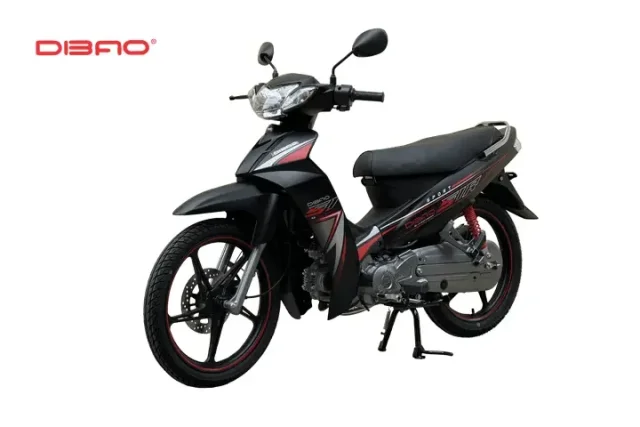
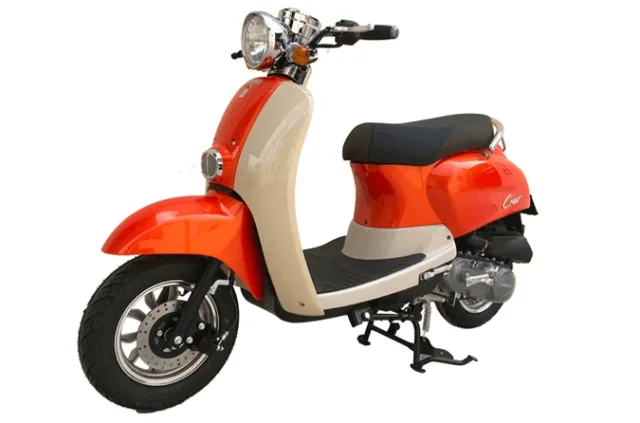
Hanoi currently has a large number of motorcycles that fail to meet emission standards
Policy and roadmap for banning gasoline vehicles in Hanoi
The Prime Minister issued Directive No. 20/CT-TTg on July 12, 2025, on urgent solutions to address environmental pollution. Accordingly, Hanoi will implement a detailed roadmap to gradually phase out fossil-fuel motor vehicles, contributing to building a green, clean, and modern capital.
From 2026
This is an important initial step in Hanoi's gasoline vehicle ban roadmap, aimed at laying the groundwork for residents to gradually get used to emission control policies. Applying it within a narrow scope helps evaluate practical effectiveness and public response, thereby optimizing deployment in subsequent phases. The 2026 phase is divided into 2 main milestones:
- From January 1, 2026 to June 30, 2026: Pilot phase restricting gasoline motorcycles in the inner-city area within Ring Road 1.
- From July 1, 2026: Official enforcement of a full ban on fossil-fuel motorcycles within Ring Road 1.
From 2028
After a period of pilot testing and adjustment, Hanoi will move into the phase of expanding the ban. This is a crucial transition step, targeting not only motorcycles but also beginning to regulate conventional fuel-powered cars.
Accordingly, starting January 1, 2028, the ban on gasoline/diesel motorcycles will be implemented across both Ring Road 1 and Ring Road 2 areas. At the same time, restrictions on personal fossil-fuel cars will begin in these zones.

By 2028, Hanoi is expected to ban gasoline/diesel motorcycles within Ring Roads 1 and 2
From 2030
By 2030, Hanoi's gasoline vehicle ban roadmap enters an accelerated phase, expanding both the geographic scope and regulated vehicle types. The city will move toward strict management of both gasoline and diesel motorcycles and cars across a larger area—including Ring Road 3. Accordingly, from January 1, 2030, a ban will apply to all personal fossil-fuel vehicles within the expanded inner city up to Ring Road 3.
Vision to 2050
Hanoi aims to become a zero-emission city in the future. The period from 2035 to 2050 represents a comprehensive transition, gradually phasing out all non-eco-friendly motor vehicles, including low-emission vehicles such as hybrids or CNG-powered vehicles. Specifically, the vision to 2050 includes:
- 2035: Ban all vehicles not powered by clean energy within Ring Road 1.
- 2040: Expand the ban to the Ring Road 2 area.
- 2045: Continue expanding to Ring Road 3.
- 2050: Ban all fossil-fuel motor vehicles across the entire city.
>>> See more: What is green transportation? Current green transportation trends

With a long-term vision to 2050, Hanoi will become a zero-emission city
What should residents do during the transition period?
In light of Hanoi's gasoline vehicle ban roadmap being rolled out in stages from 2026 to 2050, residents need to proactively adapt to avoid disruptions to their daily commuting and lives. Below are some important tips for residents during this period:
- Regularly follow updates from authorities to promptly plan for personal vehicle replacement or adjust commuting routes accordingly.
- If you are currently using a gasoline or diesel motorcycle or car, especially an older model, consider a replacement timeline to avoid sudden traffic restrictions that could affect your work and daily life.
- Review your commuting frequency, travel distance, and operating areas. This will help you easily determine whether your current vehicle remains suitable and plan an effective replacement.
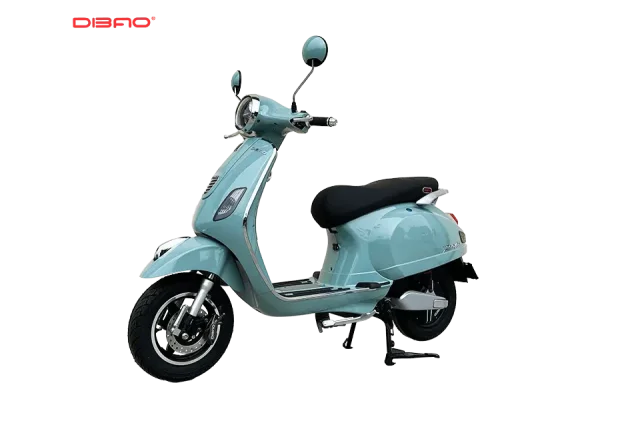
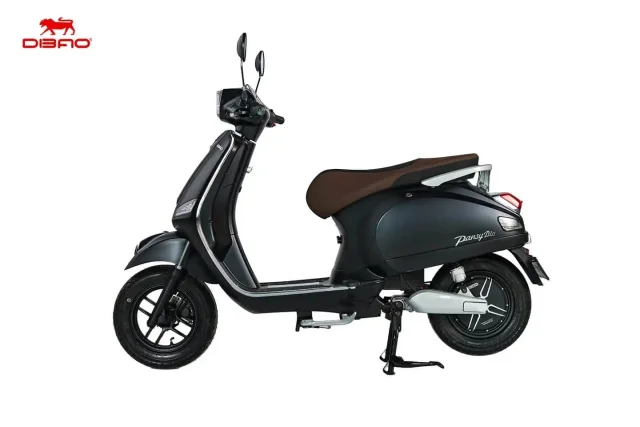
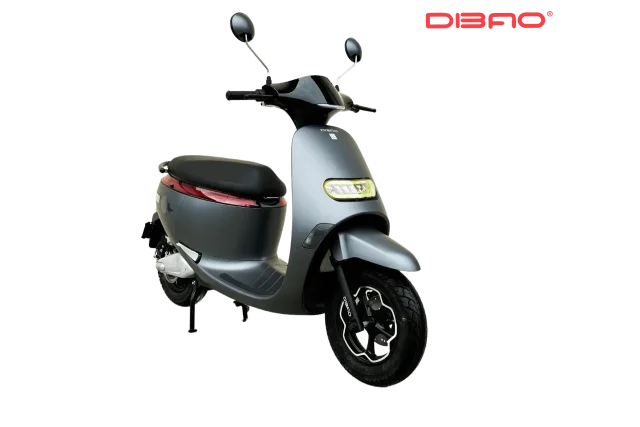
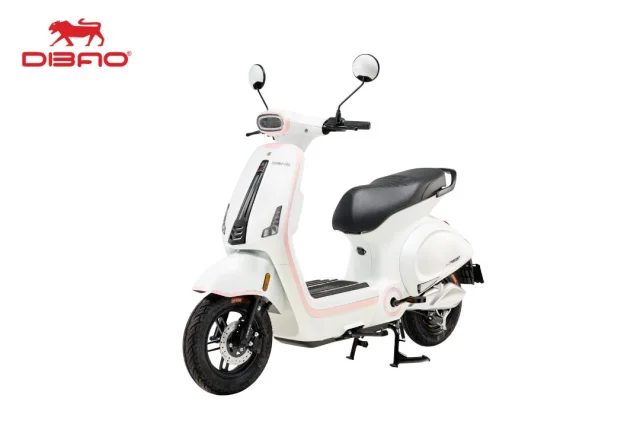
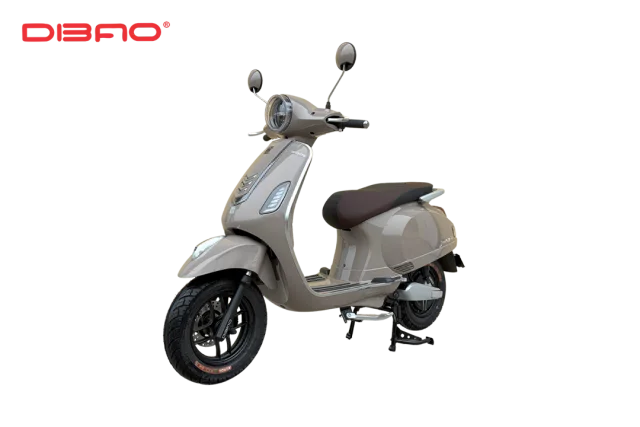
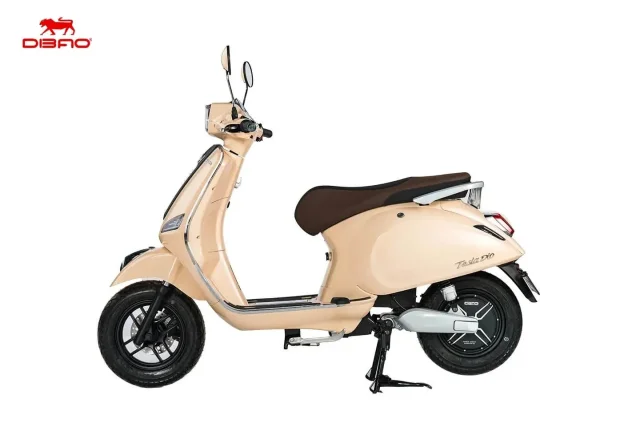
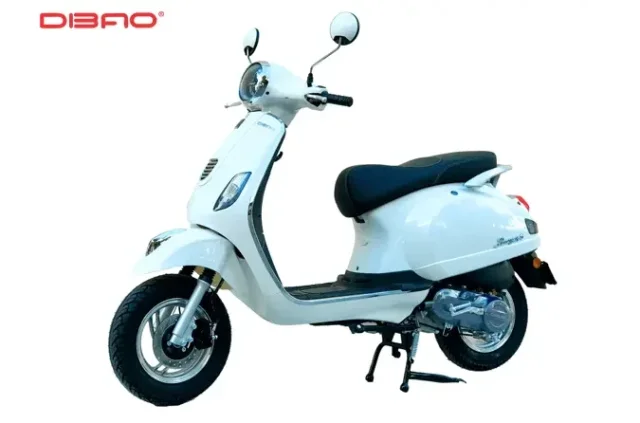
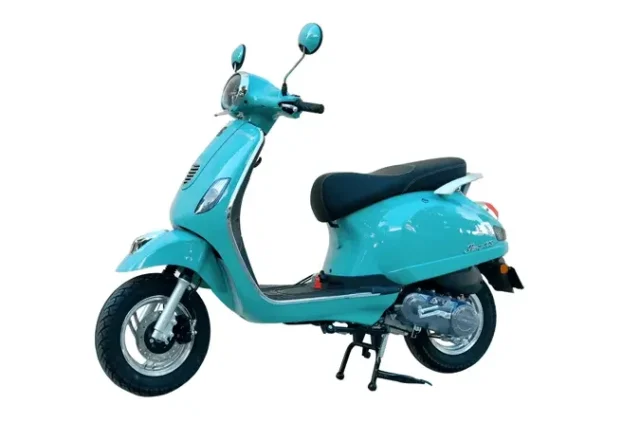
To best prepare for this transition phase, owning an electric vehicle is a smart choice. If you are looking for a reputable brand, DIBAO proudly offers a wide range of high-quality, stylishly designed electric scooters that meet every commuting need.
As a pioneering brand in the electric scooter sector, DIBAO provides ideal mobility solutions for everyone—from students, office workers, and delivery riders to frequent urban commuters. Alongside this is a dedicated consulting team always ready to help you choose a model that fits your needs, budget, and today's green living trend.
Visit the nearest DIBAO store today for free consultation and a direct test ride of our high-quality electric scooters, getting ready for a green living and clean commuting journey with Hanoi!

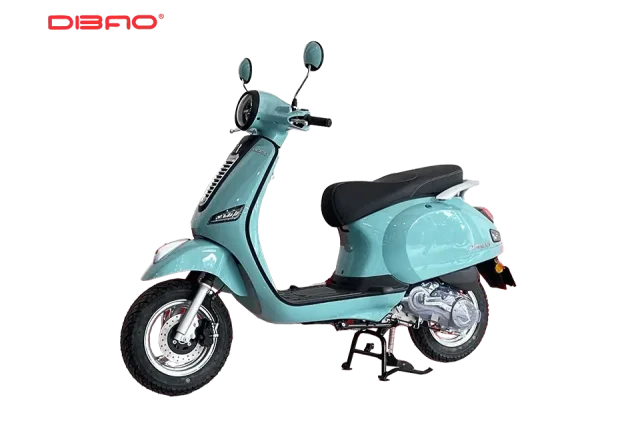
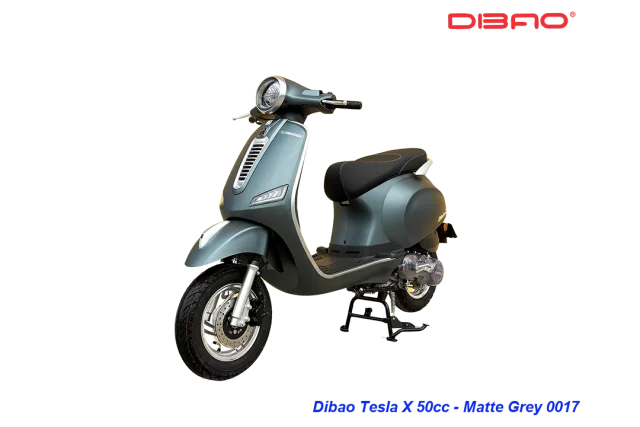
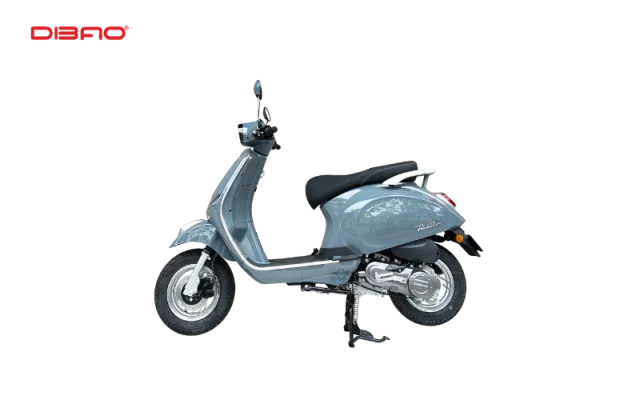
DIBAO is a reputable and high-quality electric scooter brand today
Hopefully, with today's article, you now have a clear grasp of Hanoi's upcoming gasoline vehicle ban roadmap. This is an inevitable transition toward a greener, cleaner, and more livable city. Starting right now, proactively embrace the trend by replacing old vehicles with a modern, smart, and eco-friendly mobility solution.
>>> See more: How much do DIBAO electric scooters cost? Top 5 best-selling models